 City of Yes overrides existing building codes that prevent new housing from being built atop single-story commercial buildings, like ones on Williamsbridge Road in Morris Park, the Bronx. (Bebo2good1/Wikimedia Commons/CC BY 4.0)
Yesterday, New York City Council adopted City of Yes: Zoning for Housing Opportunity, what the Mayor Eric Adams administration is calling a “historic city wide zoning reform.” The bill was initiated by the Department of City Planning and modified by the City Council.
Language pertaining to apartments in basements and ADUs will also be included in city building codes after yesterday’s vote. There will also be new tax abatements to support the maintenance and preservation of affordable residential buildings, with an emphasis on older adults aging in place. All of this is meant to encourage affordable housing construction, the Mayor said.

Adams first expressed interest in building ADUs in New York in 2023, as reported by AN, outlined in his “Plus One ADU” program. If everything goes according to plan, City of Yes stands to deliver 82,000 new homes in the next 15 years. This will happen thanks to a $5 billion pledge from New York City Council.
From that $5 billion pool, $2 billion will go toward affordable housing, $2 billion will go toward infrastructure projects (i.e. updating flood maps and sewer maintenance plans), and $1 billion will bet set aside for public housing, vouchers, and tenant protections.

For Council Member Pierina Sanchez of the Bronx, City of Yes was about recognizing how many New Yorkers already live, and codifying into place protections for them.
“New Yorkers already live in ancillary dwelling units, including basement apartments and garages, and they deserve safe and dignified housing,” Sanchez said in a statement. “Alongside zoning changes that the Council is voting on today, [Introductions] 1127 and 1128 will provide the necessary building code updates to ensure ADUs are safe for existing and future residents.”
“Regulating these units addresses a range of potential risks including fires, carbon monoxide poisoning, and with the growing consequences of climate change, flooding. These bills will bring existing and future ADUs up to code by assuring they have proper heating, ventilation, electrical, gas, and emergency service systems,” Sanchez continued. “Together with the modified ADU proposal in City of Yes for Housing Opportunity, and financial support for homeowners who wish to add an ADU in the Council’s City for All plan, these bills mark a crucial step toward preserving and creating safe, affordable housing options throughout New York City.”
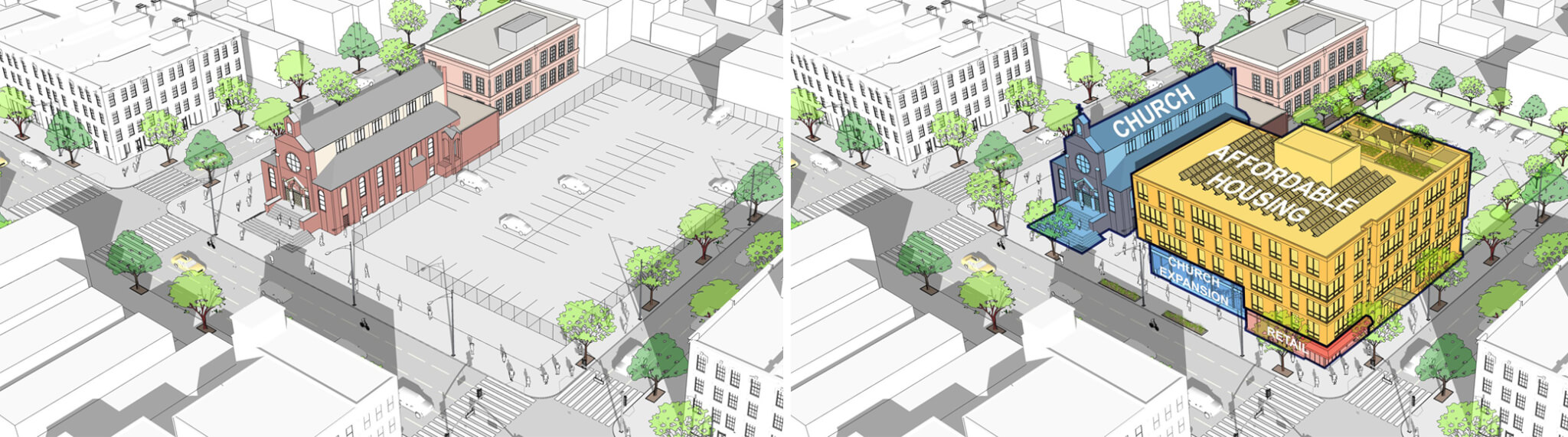
Jumaane Williams, Public Advocate for the City of New York, supported City of Yes while maintaining a critical distance. “The housing and homelessness crisis impacts New Yorkers across our city, and every community must be a part of combatting it. With today’s vote and the months of negotiations that preceded it, the City Council has taken a significant step forward to increase housing production, and should be applauded for it,” Williams said in a statement.
The vote comes not long after New York City Council adopted the FARE Act, which did away with brokers fees for renters, instead shifting that burden onto property owners. Mayor Adams, however, still hasn’t signed that bill into effect, which many say is due to pressure from the Real Estate Board of New York.